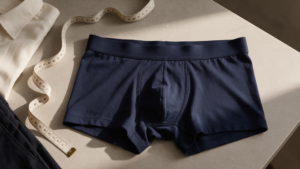
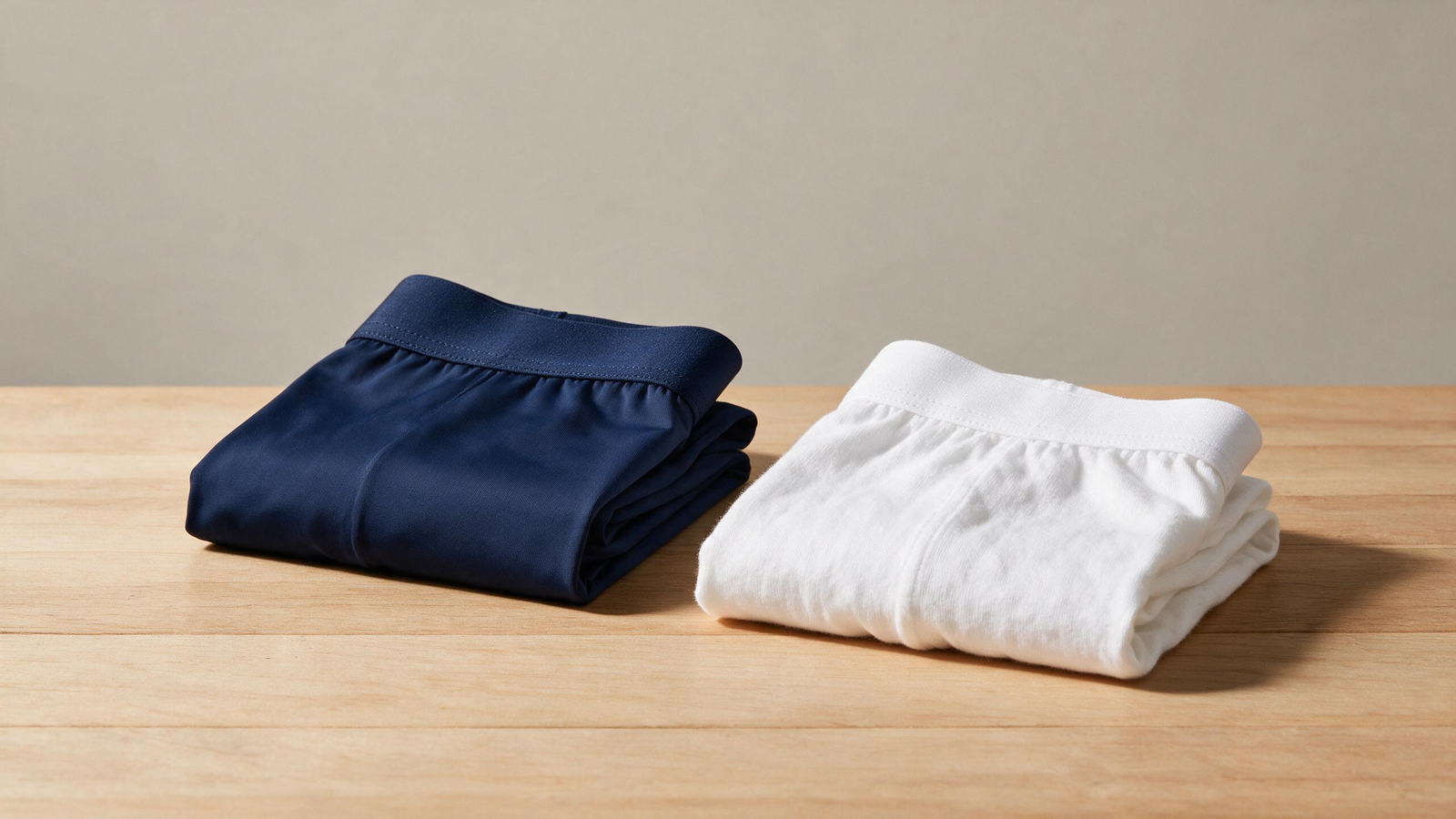
Choosing between nylon and cotton underwear is not simply a matter of deciding which fabric is better. The right choice depends on how you want your underwear to feel, how much you move, what you wear over it and how quickly you need it to dry.
Cotton is familiar, soft and naturally absorbent. Nylon is usually smoother, lighter and faster to dry. When nylon is blended with spandex, it can also provide a close, flexible fit that moves with the body.
For everyday wear, cotton may suit men who prefer a soft, traditional feel and do not mind the fabric holding more moisture. Nylon-spandex underwear may be a better option for men who want a smooth fit under clothing, flexible stretch or easier drying after washing.
Here is a closer look at nylon vs cotton underwear and how each material performs in daily life.
Nylon vs Cotton Underwear: Quick Comparison
| Feature | Nylon-Spandex | Cotton |
|---|---|---|
| Feel | Smooth, light and sleek | Soft, familiar and natural |
| Moisture behavior | Absorbs relatively little moisture | Absorbs and holds more moisture |
| Drying speed | Usually dries faster | Usually takes longer to dry |
| Stretch | Strong when blended with spandex | Depends on whether elastane is added |
| Fit | Often close and body-following | Can range from fitted to relaxed |
| Under slim clothing | Usually creates less bulk | May feel thicker depending on the knit |
| Hot-weather comfort | Depends on fabric weight and construction | Absorbent but may feel damp after sweating |
| Travel | Light and convenient to wash and dry | Comfortable, but slower to dry |
| Care | Best with low heat to protect stretch | Follow the care label; heat may cause shrinkage |
| Best for | Smooth fit, movement, travel and quick drying | Traditional softness and natural-fiber preference |
This comparison describes common fabric characteristics. The performance of a finished pair also depends on its knit, thickness, waistband, seams, pouch construction and overall fit.
How Does Each Fabric Feel?
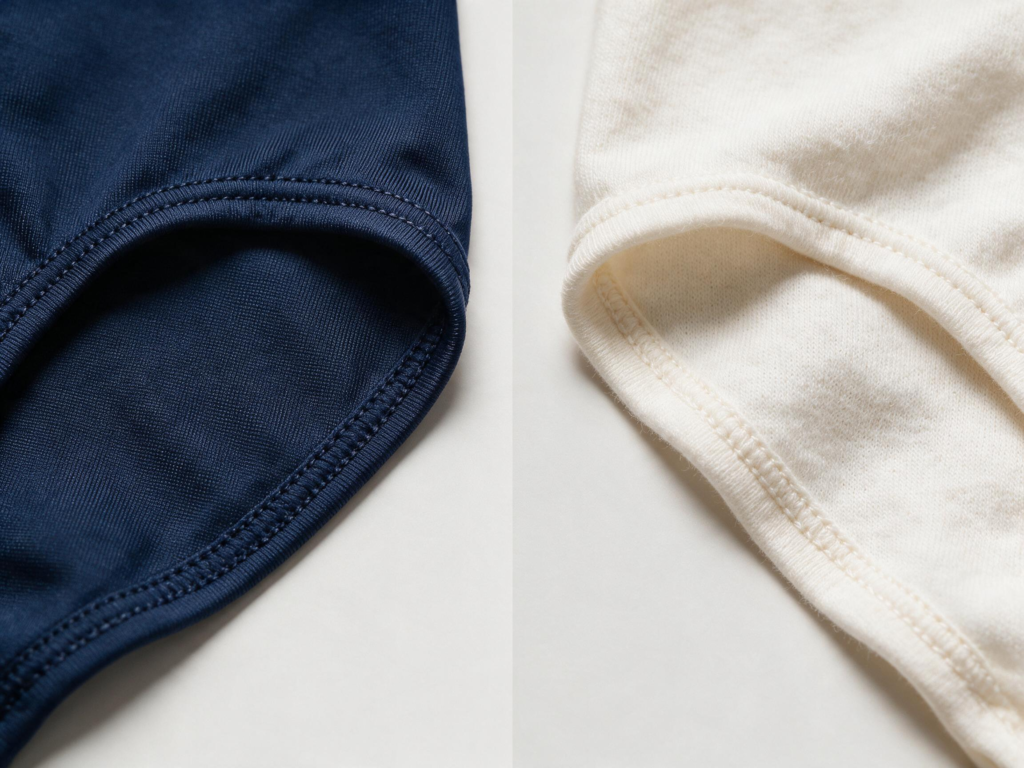
Cotton underwear has a familiar, soft hand feel. Many people associate it with traditional everyday basics because cotton jersey can feel comfortable as soon as it is put on. It may also develop an even softer feel after repeated washing.
However, cotton is not always lightweight. A thicker cotton knit may create more bulk under fitted trousers, and cotton fabric can lose some of its crisp shape during a long day. A cotton-spandex blend generally fits closer and recovers better than 100% cotton.
Nylon underwear has a smoother surface and often feels lighter against the skin. It can slide more easily beneath jeans, work trousers or athletic shorts, which may help reduce the feeling of fabric layers catching against each other.
The feel of nylon depends on its construction. Fine-knit nylon can feel silky and sleek, while mesh or textured fabric can feel very different. Nylon should not automatically be described as soft, cool or breathable without considering the finished garment.
For men who prefer a smooth, barely noticeable first layer, nylon-spandex is often the more suitable choice. For those who enjoy a soft, substantial and familiar fabric, cotton may feel more comfortable.
Which Is More Breathable?
Cotton is often described as breathable, but breathability is not determined by the fiber name alone. Fabric thickness, knit structure, ventilation zones and how closely the underwear fits all affect airflow.
A lightweight, loosely constructed cotton fabric can allow good air movement. At the same time, cotton absorbs moisture, so it may become damp and feel heavier during hot weather, exercise or a long commute.
Nylon absorbs less moisture than cotton and generally releases moisture more readily during drying. That does not mean every nylon garment is automatically breathable or moisture-wicking. A dense nylon fabric with a very close fit may allow less airflow than a lightweight cotton knit.
For warm conditions, examine the complete design rather than relying only on the label. Look for:
- Lightweight fabric
- A knit or mesh structure that allows airflow
- A fit that provides support without excessive compression
- Smooth seams that reduce friction
- A waistband that lies flat without feeling restrictive
If a product page claims moisture-wicking, cooling or quick-drying performance, those claims should be supported by the garment’s construction, supplier information or appropriate testing.
Moisture Absorption and Drying Speed
The most noticeable difference between nylon and cotton often appears after sweating or washing.
Cotton is absorbent. This can initially feel comfortable because the fabric takes moisture away from the surface of the skin. Once cotton becomes wet, however, it can hold that moisture and take longer to dry. During a workout, hot commute or humid day, damp cotton may feel heavier and stay wet for longer.
Nylon is less absorbent. It generally holds less water within the fiber and therefore tends to dry more quickly than cotton. This can be useful when underwear is washed frequently, packed for travel or worn in conditions where dampness is uncomfortable.
Drying speed still varies by garment. A thick nylon fabric can take longer to dry than an extremely light cotton fabric, and waistbands or multi-layer pouch panels may retain water even when the main fabric dries quickly.
If easy drying matters, choose a lightweight garment and follow the care instructions. Airflow around the garment is just as important as its fiber content.
Stretch, Support and Shape Retention
Cotton itself does not provide the same elastic recovery as spandex. A 100% cotton pair can stretch during wear and may not return fully to its original shape until it is washed. Cotton underwear blended with a small amount of elastane generally offers better recovery and a closer fit.
Nylon is frequently paired with spandex to create flexible, body-following underwear. The nylon forms the main fabric, while spandex contributes stretch and recovery.
GRACE DON boxer briefs use an 86% nylon and 14% spandex composition. This type of blend is intended to create a smooth, flexible fabric with a close fit. The relatively substantial spandex content can provide noticeable elasticity, although the final fit still depends on the garment pattern, size and construction.
More stretch is not automatically more comfortable. Underwear should follow your body without excessive compression. The waistband should remain secure without digging in, and the leg openings should stay in place without pinching.
If you are between sizes, use the brand’s actual waist measurements rather than assuming that the same labeled size will fit identically across different brands.
Explore GRACE DON Men’s Boxer Briefs
Which Fabric Works Better Under Clothing?
Nylon-spandex underwear is often well suited to fitted clothing. Its smooth surface and close fit can reduce bulk beneath slim trousers, jeans and tailored workwear. The fabric is also less likely to grip the inside of another garment in the way some brushed or thicker cotton fabrics can.
Cotton remains a comfortable option under relaxed jeans, sweatpants and looser clothing. Under slim trousers, however, thick seams or extra fabric may be more noticeable.
The cut matters as much as the material. Trunks minimize fabric on the thigh, while boxer briefs provide more coverage. A well-fitting boxer brief can help reduce skin-on-skin contact, but a poorly fitting leg opening may roll or ride upward regardless of the fabric.
For a clean result under fitted outfits, look for a smooth fabric, flat seams and the correct size.
Nylon or Cotton for Hot Weather?
There is no universal winner for hot weather.
Cotton can feel soft and airy when it is dry, especially in a light jersey construction. Its disadvantage is that it can stay damp once it absorbs perspiration.
Nylon absorbs less water and often dries faster, which may make it more comfortable during travel, commuting or changing conditions. However, a dense or overly tight nylon garment may feel warm if the design does not allow sufficient airflow.
For hot weather, prioritize the following combination:
- Lightweight fabric
- Airflow-friendly construction
- A secure but non-restrictive fit
- Limited fabric bunching
- Fast moisture release and drying
A nylon-spandex boxer brief can work well in warm weather when the finished fabric is light and the fit is correct. A lightweight cotton pair can also be comfortable for calm, low-activity days.
Which Is Better for Travel and Active Days?
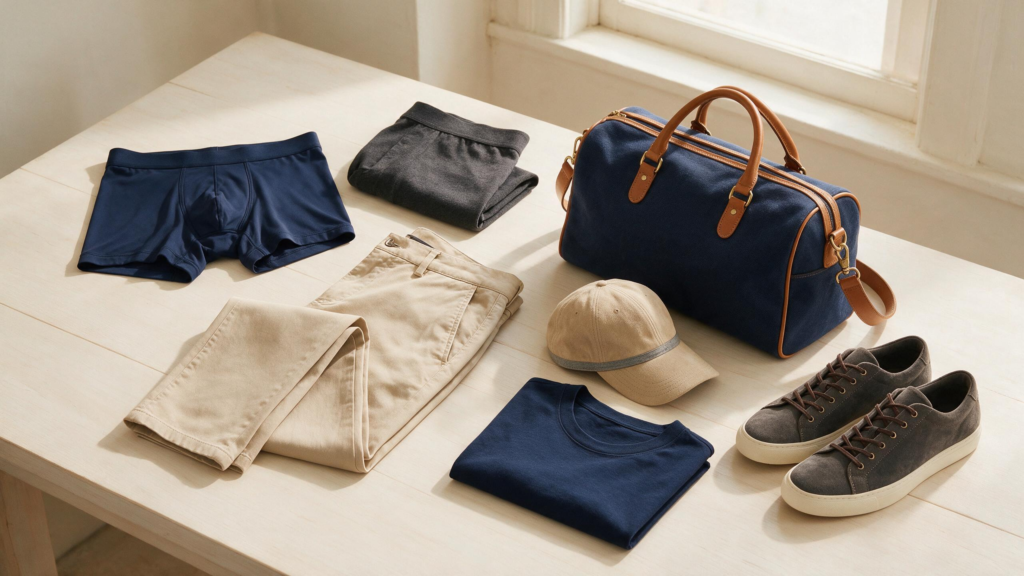
Nylon-spandex has practical advantages for travel. It is commonly lighter than traditional cotton underwear, takes up little space and tends to dry faster after hand washing. Its stretch can also make it comfortable during long periods of sitting, walking or moving between destinations.
Cotton can still work for travel, particularly if natural-fiber comfort is your priority. The main limitation is drying time. A damp cotton waistband or double-layer front panel may not dry overnight in a humid hotel room.
For workouts and highly active situations, do not rely on fiber composition alone. Check whether the garment was designed for movement, whether the seams sit comfortably and whether any performance claims are supported. Everyday nylon underwear and tested performance underwear are not necessarily the same product.
Durability and Care
Both nylon and cotton underwear can last well when the garment is properly made and cared for, but they respond differently to wear and washing.
Cotton may gradually fade, shrink or lose shape, particularly when exposed to high washing and drying temperatures. Nylon resists some forms of abrasion well, but high heat can damage spandex and reduce elastic recovery over time.
For nylon-spandex underwear:
- Check the garment’s care label first.
- Wash with cool or cold water when permitted.
- Use a gentle cycle and mild detergent.
- Avoid chlorine bleach unless specifically allowed.
- Air dry when practical.
- If machine drying is permitted, use low heat.
- Avoid ironing elastic fabric and waistbands.
These habits can help protect the fit and elasticity of the garment. For a more detailed routine, read Why 86% Nylon and 14% Spandex Works So Well for Everyday Underwear.
Is Nylon or Cotton Better for Sensitive Skin?
A fiber label alone cannot predict whether underwear will irritate an individual wearer.
Some people prefer cotton because of its familiar natural-fiber feel. Others find that smooth nylon creates less friction beneath clothing. Irritation may also come from detergent residue, dyes, waistbands, seams, heat, moisture or an incorrect size.
If your skin is easily irritated:
- Choose a smooth fabric and low-profile seams.
- Avoid underwear that feels overly tight.
- Wash new garments before wearing them.
- Use a detergent appropriate for your skin.
- Stop wearing a garment if it causes persistent irritation.
- Consult a qualified healthcare professional about ongoing or severe symptoms.
Personal experience and garment construction matter more than broad claims that one fiber is suitable for everyone.
How to Choose Between Nylon and Cotton Underwear
Choose cotton if you:
- Prefer a soft, traditional fabric feel.
- Want a natural fiber to make up most of the garment.
- Usually wear underwear during low-activity routines.
- Do not mind a longer drying time.
- Prefer relaxed or slightly more substantial basics.
Choose nylon-spandex if you:
- Prefer a smooth, close-fitting first layer.
- Wear slim trousers or fitted clothing.
- Want flexible stretch and shape recovery.
- Travel frequently or wash garments by hand.
- Prefer underwear that generally dries faster than cotton.
- Want a lightweight fabric for daily movement.
Many men do not need to choose only one. A practical underwear drawer may include cotton for relaxed days and nylon-spandex for work, travel, warmer conditions or outfits where a smooth fit is helpful.
Frequently Asked Questions
Is nylon good for men’s underwear?
Nylon can be a good material for men’s underwear when it is used in a well-designed garment. It is usually smooth, light and relatively quick to dry. When blended with spandex, it can also provide flexible stretch and close support.
Is cotton underwear healthier than nylon?
It is not accurate to say that one material is universally healthier. Comfort depends on fit, moisture, garment construction, hygiene and individual skin sensitivity. Choose underwear that stays comfortable, wash it after use and follow its care instructions.
Does nylon underwear make you sweat more?
Sweating is affected by temperature, activity and the overall garment design. Nylon itself does not automatically cause more sweating, but a dense or overly tight garment may feel warm. Fabric weight, airflow and fit are important.
Does nylon underwear dry faster than cotton?
In general, nylon absorbs less water and tends to dry faster than cotton. Actual drying time also depends on fabric thickness, waistband construction, airflow and humidity.
Is 86% nylon and 14% spandex good for underwear?
An 86% nylon and 14% spandex blend can provide a smooth feel, strong stretch and close shape recovery. Whether it is right for you depends on the garment’s fit, construction and your preference for a sleek, body-following style.
The Bottom Line
Cotton is a dependable choice for men who value softness, familiarity and a natural-fiber feel. Nylon-spandex is a strong option for men who prioritize smoothness, flexible stretch, reduced bulk and faster drying.
For everyday wear, the best fabric is the one that matches your routine. Consider how long you wear the garment, how much you move, what clothing goes over it and whether you prefer a relaxed or close fit.
If smooth stretch and a streamlined feel suit your day, explore the GRACE DON collection and compare the available designs, sizes and colors.